


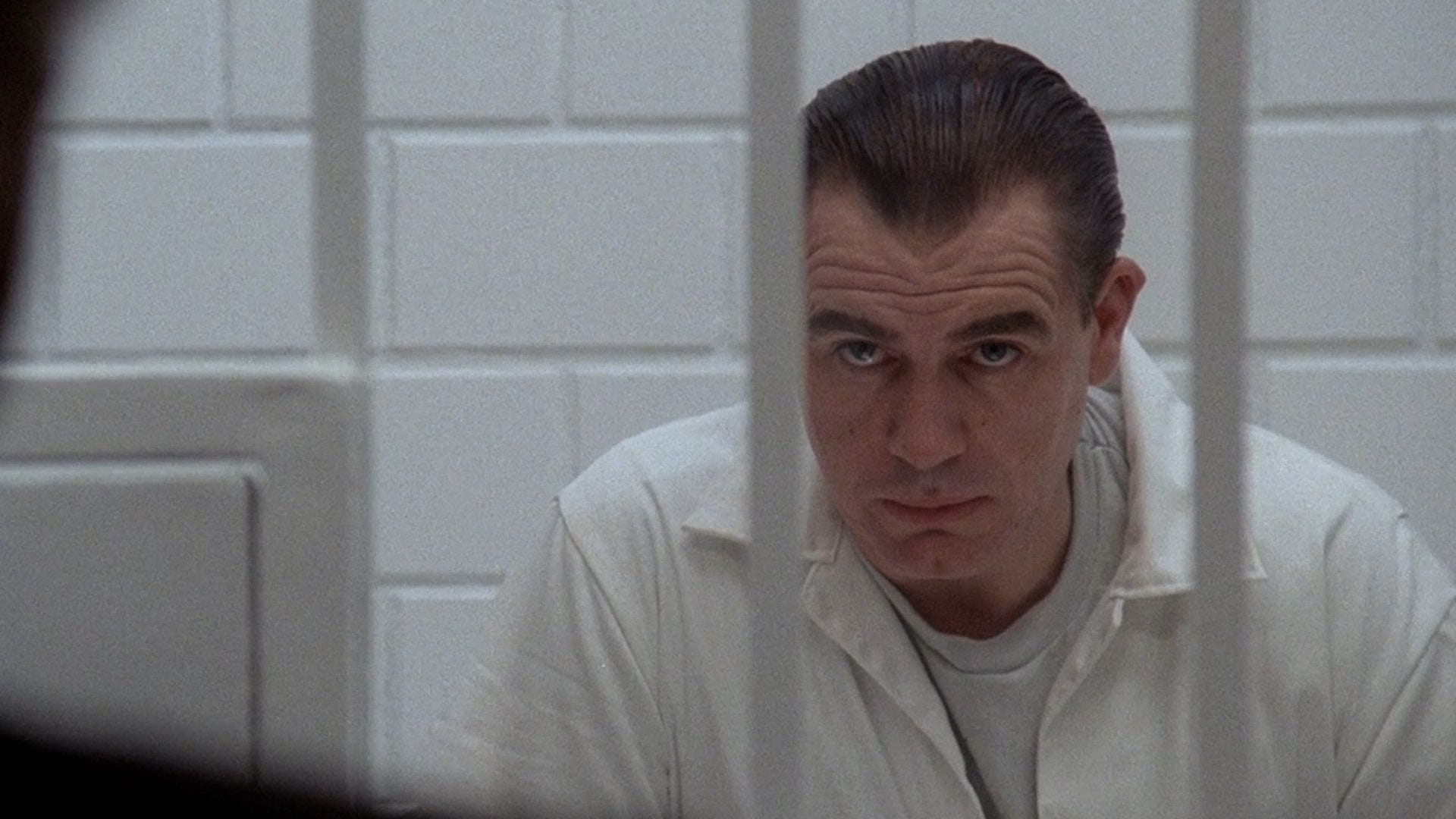
In the movie Manhunter, based upon the book Red Dragon (the sequel to Silence of the Lambs), Hannibal Lecter is discussing the reason one might kill with Agent Will Graham. He points to countless stories of natural disasters, plane crashes, and disease and states that “when one does what God does enough, you become god.” Lecter is describing his ethic and what may drive a serial killer Graham is pursuing.
The thing is that Lecter gets that wrong. Death is what God defeated through Jesus. Death is of the god of this world according to Paul. So when Christians celebrate death or defend the public spectacle of death, we seek to be like the god of this world rather than the crucified and risen God. Sadly, when that truth is pointed out, the powers and those who are beholden to the powers attack - even clergy in holiness traditions are not immune.
One way that scripture describes powers is through the metaphor of empire. Egypt, Assyria, Babylon, Persia, and Rome all stand for the idea that might is supreme. This is the manifestation of the god of this world - empire. There is a deep mistrust of God inherent in the pursuit of power through Babylon. When we lean on the power of death, we make void the cross. The folly of empire is that death has already been defeated, but empire seeks to reclaim the power of sin and death as the power of the world - the systems that drive power and ultimately roll over those without voice. Scripture refers to these systems as the “powers and principalities.”
Of course, the great sin of empire is idolatry - treating power as salvation and making rulers and nations into gods. Idolatry is the sin that just will not go away. We tend to think of idols as carved images of deities, but idolatry is so much more subtle. Pop culture often manifests this better than the Church. Star Wars has the explicit idolatry of empire as central to its crisis. From the fall of the Jedi to the ongoing grasp for the Empire to return. The stories of Star Wars are ultimately about the human craving for power, control, and order. But the foil of empire is rebellion against that ideology. In Star Wars it is the rebellion that seeks to set the galaxy free from tyranny through faith and hope.
But the greatest picture of the idolatry of power as expressed in empire is that within the One Ring of Tolkien. The great ring of power becomes an object of desire and causes the downfall of many - including those with good intentions. Sauron created the ring so that he could reshape Middle Earth into the image he believes is good. Of course the very power he wields has twisted that vision into darkness. Saruman is corrupted by the potential of power of the ring and becomes a vassal for Sauron. The darkness so twists Saruman that he is ultimately killed by one he in turn twisted.
The idolatry of empire places us into the role of gods of this world. When power and death become the means of our safety, we are seeking a return to old creation. The crawling and creeping vines of death and sin ensnare us into their seductive hold. Viewing sin and death as spectacle. Seeing the mocking of humanity and of those who need peace and turning our backs is a repudiation of the Christ event. It is a repudiation of the incarnate Christ revealed in Jesus as a resurrected and ascended Lord.
Maybe our god is the god of this world. We sure describe God that way even in the face of evidence that is not God. We cannot celebrate violence and be holy for holiness is love and peace bearing the violence of the world. Holiness is not in the violence of the world; it is the very opposite of violence. We really should not be a people of Lecter when Jesus is the way to know the truth of God.